HamiltoN'S DEDICATED SKIN STUDIO

Scar Treatment in Hamilton | Scars & Stretch Marks | Texture & Tone
Discover what scar treatment in Hamilton actually looks like at Texture & Tone Skin Studio. Expert care for scars, stretch marks, and smoother, healthier skin.
3/28/202615 min read
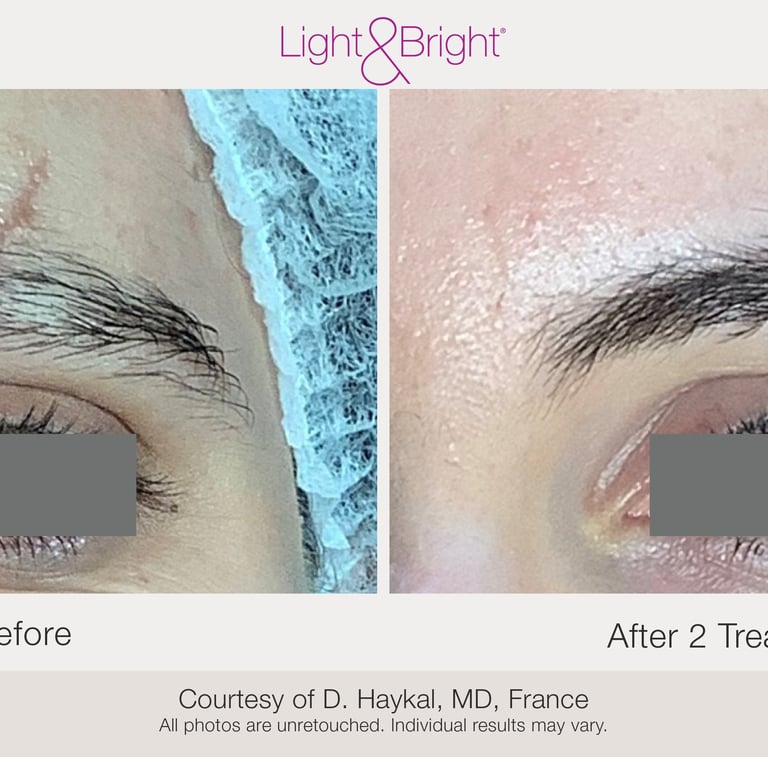
Understanding Scar Formation in Hamilton: Types & Causes
Scars are a natural part of the body's healing process, forming when tissue damage occurs. In Hamilton, as in many urban centers, individuals may experience various types of scars due to a wide range of incidents, from minor cuts to surgical procedures. Understanding the different types and their causes is the first step towards effective scar management.
One of the primary ways scars develop is through the body's collagen response. When skin is injured, fibroblasts, cells responsible for producing collagen, are activated. Collagen is a protein that provides structure and strength to the skin. During the healing process, an excess of collagen is often produced, leading to the formation of a scar. However, the way this collagen organizes can result in different scar types.
Types of Scars:
Normal Scars: These scars typically appear red or pink initially and gradually fade over time. They are generally flat and have a smooth texture. This type of scar often occurs from minor cuts, scrapes, or insect bites and usually resolves without significant treatment.
Hypertrophic Scars: These scars remain within the boundaries of the original wound. They are raised, firm, and can sometimes be itchy. Hypertrophic scars are more common on areas of high tension, such as the chest or shoulders. While they don't typically spread beyond the original wound, they can be aesthetically noticeable. The underlying cause is an overproduction of collagen during the healing phase.
Keloid Scars: Keloids grow beyond the boundaries of the original wound. They are raised, often thick, and can continue to grow over time. Keloids are more prevalent in individuals with darker skin tones and can occur anywhere on the body. The exact cause of keloids is not fully understood, but it's believed to involve an overactive immune response.
Atrophic Scars: These scars appear as depressions or indentations in the skin. They are common after acne, chickenpox, or certain types of infections. Atrophic scars occur when the body doesn't produce enough collagen during the healing process, resulting in a loss of tissue volume.
Contracture Scars: These scars occur after burns and can restrict movement. The skin contracts as it heals, pulling on surrounding tissues. Contracture scars can limit joint flexibility and require physical therapy to manage.
Common Causes of Scar Formation:
Several factors can lead to scar formation in Hamilton residents. Understanding these causes helps in proactive prevention and appropriate treatment.
Accidents and Injuries: Everyday accidents, such as cuts, scrapes, and burns from kitchen mishaps or sports injuries, can result in scars. The severity of the injury directly impacts the likelihood and type of scar that forms. For instance, a minor cut will likely heal with a normal scar, whereas a deeper laceration may lead to a more noticeable hypertrophic scar. According to the World Health Organization, traumatic injuries are a leading cause of disability worldwide, and subsequent scarring is a common consequence.
Surgical Procedures: Many individuals in Hamilton undergo surgical procedures annually. While necessary for medical reasons, surgery inevitably leaves a scar. The appearance of a surgical scar depends on factors such as the surgical technique, the individual's healing ability, and the location of the incision. Proper post-operative care, including wound hygiene and avoiding excessive sun exposure, can significantly influence scar appearance.
Acne: Acne is a prevalent skin condition, and while many find effective treatments, it often leaves behind scars. Different types of acne scars exist, including ice pick scars (deep, narrow pits), boxcar scars (wider depressions with sharp edges), and rolling scars (wave-like depressions). Effective management of acne is crucial to minimize the likelihood of permanent scarring.
Skin Conditions: Certain skin conditions, such as eczema and psoriasis, can lead to chronic inflammation and subsequent scarring. The continuous cycle of inflammation and healing can disrupt normal collagen production and result in various types of scars.
Infections: Skin infections, like chickenpox or impetigo, can leave behind scars as the skin heals. The severity of the infection and the subsequent inflammation contribute to the scarring process.
It's important to note that while some scars may fade naturally over time, others may require professional intervention for improvement. A dermatologist in Hamilton can assess the type and severity of a scar and recommend appropriate treatment options.
Analyzing Scar Texture: What Roughness & Ridges Reveal
Scar tissue forms as the body repairs itself after an injury. This process involves fibroblasts, cells responsible for producing collagen, laying down new connective tissue. The resulting scar’s appearance isn’t uniform; its texture provides valuable clues about the healing process and can inform treatment strategies. Understanding the nuances of scar texture – specifically roughness and ridges is crucial for effective scar management.
The visual texture of a scar is largely determined by the amount and type of collagen produced during healing. A healthy scar typically has a smoother texture, closely mimicking the surrounding skin. However, when the healing process is disrupted, or excessive collagen is laid down, the scar can develop a rough or ridged appearance. This often happens when the inflammatory phase of healing extends beyond its normal duration. Prolonged inflammation can lead to an overproduction of collagen, resulting in a raised, uneven scar.
Roughness in a scar can manifest in several ways. It might feel raised to the touch, exhibit a bumpy surface, or have a slightly irregular contour. The degree of roughness is often correlated with the severity of the initial injury and the body's healing response. For example, scars from burns or surgical incisions that involve deeper tissue damage are more likely to exhibit significant roughness compared to minor cuts. The type of collagen fibers also plays a role. Healthy scar tissue contains primarily type I collagen, which provides strength and structure. However, disorganized collagen fibers, a hallmark of abnormal healing, contribute to the rough texture.
Ridges, often appearing as raised lines or grooves, are another common textural characteristic of scars. These ridges can develop due to several factors. One possibility is the formation of fibrous bands that pull on the skin as it heals. Another contributing factor is the uneven remodeling of collagen fibers, where they align in a haphazard manner rather than a parallel fashion. These irregular collagen arrangements create the visual and tactile sensation of ridges. The depth and prominence of these ridges can vary significantly, and in some cases, they can be quite noticeable.
Several factors contribute to the development of rough and ridged scars. Genetics influence an individual's predisposition to scar formation. Some people naturally produce more collagen, making them more prone to hypertrophic or keloid scars – both characterized by significant roughness and raised textures. The location of the scar also matters. Scars over areas of high tension, such as joints or areas of frequent movement, tend to be more pronounced and textured. Furthermore, inadequate nutrition, particularly deficiencies in vitamin C and zinc, can impede the healing process and increase the likelihood of a rough scar.
Different types of scars often present with distinct textural characteristics. Hypertrophic scars are raised and firm, often with a red or pink color. They typically remain within the boundaries of the original wound. Keloid scars, on the other hand, extend beyond the original wound boundaries, causing raised, thickened, and often discolored scars. Both hypertrophic and keloid scars commonly exhibit a rough, bumpy texture. Atrophic scars, such as those seen after acne or chickenpox, are depressions in the skin rather than raised areas. While they lack the roughness of hypertrophic or keloid scars, they still present a textural difference from the surrounding skin.
Understanding the underlying causes of rough and ridged scars is the first step towards effective treatment. Various therapeutic approaches aim to improve scar texture. Topical treatments, such as silicone gels or sheets, can help hydrate the scar tissue, reduce collagen production, and improve its appearance. These are most effective when applied early in the healing process. Other options include corticosteroid injections, which can reduce inflammation and flatten raised scars. Laser therapy, particularly pulsed dye lasers, can target redness and improve collagen organization, leading to a smoother texture. Microneedling stimulates collagen production, potentially improving scar texture over time. For more severe cases, surgical revision or removal of the scar may be considered. The choice of treatment often depends on the scar's type, size, and location, as well as the individual's overall health.
It’s important to remember that complete removal of a scar's texture is often not possible. However, various treatments can significantly improve its appearance and minimize its impact on quality of life. Early intervention is generally more effective. Consulting with a dermatologist or plastic surgeon is recommended to determine the most appropriate treatment plan. They can assess the scar's characteristics and recommend a combination of therapies for optimal results.
Identifying Common Scarring Issues in Hamilton: Acne, Surgery, & Injury
Scarring is a natural part of the body's healing process, occurring when the dermis, the second layer of skin, repairs itself after an injury. However, this repair isn't always perfect, leading to various types of scars that can affect appearance and comfort. In Hamilton, like many urban centers, common scarring issues arise from a variety of sources, including acne, surgical procedures, and accidental injuries. Understanding these different types is the first step towards effective treatment and improved outcomes.
Acne Scars
Acne, a prevalent skin condition affecting individuals of all ages, frequently leaves behind a range of scars. The type of scar depends on the severity and duration of the acne breakouts, as well as individual skin characteristics. One of the most common types is hypertrophic scarring, characterized by raised, firm scars that remain within the boundaries of the original acne lesion. These often appear red or pink initially and can gradually soften over time. Another frequent type is keloid scarring, which extends beyond the original wound area, resulting in thicker, often itchy or painful scars. Keloids are more common in individuals with darker skin tones.
Post-inflammatory hyperpigmentation (PIH) is another common consequence of acne. This isn't technically a scar in the traditional sense but presents as darkened patches of skin where acne lesions were previously located. PIH is caused by an overproduction of melanin, the pigment responsible for skin color. While PIH can fade naturally, it can persist for months or even years.
Treatment for acne scars in Hamilton often involves a combination of approaches. Topical treatments containing ingredients like retinoids, alpha-hydroxy acids (AHAs), and salicylic acid can help improve the appearance of superficial scars and PIH. The specific treatment plan is tailored to the individual’s scar type and skin characteristics.
Surgical Scars
Surgical procedures, regardless of their nature or complexity, inevitably leave behind scars. The appearance of a surgical scar is influenced by several factors, including the surgical technique, the amount of tissue disruption, and individual healing capacity. Linear scars, which follow the path of the incision, are the most common type. Initially, surgical scars are often red and raised but typically flatten and fade over time. However, some individuals may develop hypertrophic or keloid scars following surgery.
Scar management after surgery is crucial to optimize healing and minimize undesirable scarring. This often involves pressure garments, silicone sheets or gels, and massage to reduce the risk of hypertrophic and keloid formation. Topical corticosteroids are also commonly prescribed to address inflammation and itching. Laser treatments can be beneficial in improving the texture and color of surgical scars, particularly those that are raised or discolored. The timing of treatment is important, with early intervention often yielding better results.
Injury Scars
Scars resulting from accidental injuries, such as cuts, burns, or scrapes, also vary in appearance and texture. Contracture scars can develop after burns, causing the skin to tighten and restrict movement. These often require physical therapy and stretching exercises to improve flexibility. Atrophic scars, which are indented or pitted scars, can result from injuries that damage the dermis. These are commonly seen in cases of pressure injuries or certain types of skin infections.
The healing process for injury scars can be influenced by factors such as the severity of the injury, infection risk, and overall health. Proper wound care, including cleaning and dressing the wound appropriately, is essential to prevent infection and promote optimal healing. Techniques like silicone gel sheets can help improve the appearance of atrophic scars over time. In some cases, surgical revision or other cosmetic procedures may be considered to address more significant injury scars.
Individuals in Hamilton seeking solutions for acne, surgical, or injury scarring have a range of treatment options available. Consulting with a dermatologist or plastic surgeon can help determine the most appropriate and effective approach for their specific needs and goals. These professionals can provide personalized recommendations based on a thorough assessment of the scar type, location, and the individual’s skin.
Exploring Proven Scar Treatment Options in Hamilton: A Comprehensive Overview
Scarring is a natural part of the body’s healing process, occurring when tissue repairs itself after an injury. While often harmless, scars can sometimes impact appearance and even cause discomfort. In Hamilton, Ontario, a variety of effective scar treatment options are available, catering to different types of scars, their severity, and individual needs. Understanding these options is crucial for achieving optimal results.
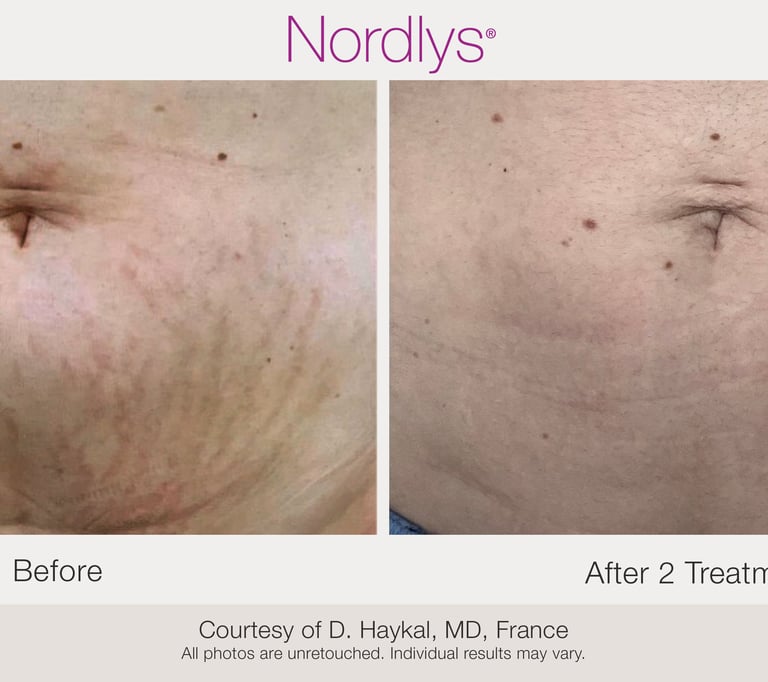
One of the first steps in addressing scar concerns is proper assessment. Scars are broadly classified into several types. Hypertrophic scars are raised and remain within the boundaries of the original wound, while keloids extend beyond these boundaries, often growing larger over time. Atrophic scars, commonly seen from acne or chickenpox, appear as indented or pitted areas. Stretch marks, also known as striae, can result from rapid skin stretching during growth or pregnancy. Recognizing the specific type of scar is essential for selecting the most appropriate treatment approach.
Several non-invasive treatments can effectively manage scars. Topical treatments are often the initial line of defense, particularly for newer scars. Silicone gels and sheets are widely used and have shown promise in reducing the size and discoloration of hypertrophic and keloid scars. These products work by hydrating the scar tissue and helping to regulate collagen production. Similarly, certain creams containing Vitamin E or onion extract are sometimes employed, though scientific evidence supporting their efficacy can be mixed.
Beyond topical applications, various professional treatments offer more significant improvements. Laser therapy has become a cornerstone of scar treatment. Different types of lasers target specific aspects of the scar, such as redness, texture, and depth. For example, pulsed dye lasers can reduce the redness associated with newer scars, while fractional lasers can help to remodel collagen and improve the appearance of atrophic scars. The number of sessions required and the specific laser used will depend on the individual scar characteristics.
For more severe or persistent scars, surgical interventions may be considered. Scar revision surgery aims to improve the cosmetic appearance of scars by removing excess tissue, reshaping the scar, or minimizing its visibility. Techniques include surgical excision, skin grafting, and laser resurfacing performed post-surgery. The choice of surgical technique depends on the scar's characteristics and the desired outcome.
It’s important to note that no scar treatment can completely eliminate a scar; however, many options can significantly improve their appearance. The effectiveness of a particular treatment can vary depending on factors such as scar age, type, and individual skin characteristics. A consultation with a qualified dermatologist or plastic surgeon in Hamilton is recommended to discuss individual needs and determine the most suitable treatment plan. They can assess the scar, explain the potential benefits and risks of each option, and develop a personalized approach to scar management.
Consider the following points when exploring scar treatment options:
Scar age: Newer scars tend to respond better to treatment than older, more established scars.
Scar type: Different treatments are more effective for specific scar types.
Skin type: Individuals with darker skin tones may be more prone to hyperpigmentation with certain treatments.
Realistic expectations: While significant improvement is often achievable, complete scar removal is usually not possible.
Potential side effects: All treatments carry potential side effects, which should be discussed with a healthcare professional.
Dermatological Treatments for Scar Reduction: Procedures & Expectations
Scarring is a natural part of the body's healing process. However, when scars are raised, discolored, or cause discomfort, many individuals seek dermatological treatments to improve their appearance and texture. In Hamilton, a range of effective procedures are available, each with its own set of expectations. Understanding these options is key to achieving satisfactory results.
Topical Treatments
For milder scars, such as those resulting from acne or minor injuries, topical treatments are often the first line of defense. These are creams, gels, or ointments applied directly to the skin. Some common options include silicone gels or sheets. Silicone helps to hydrate the scar tissue and can flatten raised scars (hypertrophic and keloid scars). Research suggests that consistent use of silicone can lead to noticeable improvements in scar appearance over several months. Another popular choice is onion extract, which contains compounds that may help reduce redness and inflammation associated with scars. While generally safe, it’s important to note that results from topical treatments can vary depending on the scar type and individual factors.
Laser Therapy
Laser treatments have become increasingly popular for scar reduction. Various types of lasers are employed, each targeting different aspects of the scar. Ablative lasers, such as CO2 lasers, remove the outer layers of skin, stimulating collagen production and improving texture. These are often used for deeper scars and can yield significant results. However, ablative lasers typically require a longer recovery period. Non-ablative lasers, like pulsed dye lasers and fractional lasers, heat the underlying skin without removing the outer layer. This stimulates collagen without the downtime associated with ablative procedures. Non-ablative lasers are effective for redness, discoloration, and superficial scars. The number of sessions required varies depending on the scar severity and the type of laser used, often ranging from 3 to 6 treatments spaced several weeks apart.
Expectations
It's important to have realistic expectations when considering scar reduction treatments. While significant improvements are often achievable, complete scar removal is usually not possible. The degree of improvement depends on several factors, including the scar's age, type, location, and the individual's skin type and healing capacity. Most treatments require multiple sessions to achieve optimal results, and it takes time for the skin to heal and collagen to rebuild. Patients should also understand that some degree of scar visibility may remain even after successful treatment. Open communication with a dermatologist about desired outcomes is crucial for managing expectations and developing a personalized treatment plan.
Home Remedies and Over-the-Counter Options for Scar Management
Managing scars effectively often involves a combination of at-home care and readily available over-the-counter (OTC) products. While no treatment can completely erase a scar, various methods can significantly improve its appearance and texture. Understanding the type of scar is the first step towards choosing the most appropriate approach. Different scar types – such as hypertrophic scars, keloids, and atrophic scars – respond differently to various treatments.
For many minor scars, a consistent home care routine can yield noticeable benefits. One of the most fundamental aspects is moisturization. Keeping the scar hydrated helps to maintain its flexibility and can reduce itching and discomfort. Applying a gentle, fragrance-free moisturizer twice daily is generally recommended. Look for ingredients like vitamin E, which has antioxidant properties and may support skin healing.
Sun exposure can darken scars and make them more prominent. Therefore, diligently protecting scars from the sun is crucial. Applying a broad-spectrum sunscreen with an SPF of 30 or higher every day, even on cloudy days, is a non-negotiable step. This proactive measure prevents further discoloration and helps maintain a more uniform skin tone around the scar.
Certain natural remedies have been traditionally used for scar management, although scientific evidence supporting their efficacy varies. Aloe vera gel, for instance, is known for its soothing and anti-inflammatory properties. Applying pure aloe vera gel directly to the scar may help reduce redness and promote healing. Similarly, honey, particularly medical-grade honey, possesses antibacterial and wound-healing characteristics. A thin layer of honey applied to the scar and covered with a bandage can be beneficial.
When considering OTC options, several products are available. Silicone gels and sheets are widely recognized for their effectiveness in managing hypertrophic scars and keloids. They work by hydrating the scar tissue and regulating collagen production, which can help flatten and soften the scar over time. Regular application, as directed on the product packaging, is essential for optimal results.
Topical creams containing corticosteroids can be used under the guidance of a dermatologist to reduce inflammation and itching associated with certain scar types. These creams should be used sparingly and for a limited duration, as prolonged use can have side effects.
For atrophic scars, which appear as depressions in the skin (like those left by acne), some OTC creams containing ingredients like retinol or alpha-hydroxy acids (AHAs) may help improve skin texture and promote collagen synthesis. However, these products are generally gentler and may require consistent use over several months to see results. It's important to introduce these ingredients gradually to avoid skin irritation.
It's worth noting that the effectiveness of home remedies and OTC options can vary depending on the individual, the age of the scar, and the scar type. While these methods can provide improvement, they may not fully eliminate the scar. For more significant or persistent scars, consulting a dermatologist is advisable. A dermatologist can offer professional treatments such as laser therapy, microdermabrasion, or surgical excision, which may yield more substantial results.
Maintaining & Optimizing Scar Healing: Long-Term Care & Prevention
Once a scar has initially closed, the journey towards optimal texture and tone continues. Long-term care plays a significant role in minimizing its visibility and promoting continued healing. This phase focuses on preventing complications and maximizing the scar's potential to blend with the surrounding skin.
One crucial aspect of long-term scar management is consistent skincare. Protecting the scar from sun exposure is paramount. Ultraviolet (UV) radiation can darken scars, making them more noticeable and potentially causing them to become raised or thickened. Applying a broad-spectrum sunscreen with an SPF of 30 or higher daily, even on cloudy days, is essential. This proactive step helps maintain a more even skin tone over time.
Hydration also contributes to healthy scar tissue. Keeping the scar moisturized with a gentle, fragrance-free cream or ointment helps maintain its flexibility and prevents it from becoming overly stiff or itchy. Consider using products containing ingredients like hyaluronic acid or ceramides, known for their moisturizing and skin-repairing properties. Regular moisturization can improve the scar's appearance and comfort.
While most scars settle over time, certain types may require ongoing attention. Hypertrophic scars, which are raised and firm, and keloids, which extend beyond the original wound boundaries, may benefit from continued management. In some cases, a dermatologist may recommend periodic treatments such as silicone gel sheets or topical corticosteroids to help flatten and reduce their size. These treatments are often used for several months and can be quite effective in managing these types of scars.
Beyond topical treatments, maintaining overall skin health supports long-term scar healing. A balanced diet rich in vitamins and minerals, particularly Vitamin C and Vitamin E, provides the body with the nutrients needed for collagen production and tissue repair. Adequate hydration from within also contributes to healthy skin.
Physical activity, while generally beneficial, should be approached with caution in the initial stages of healing and for certain scar types. Activities that put excessive stress on the scar may temporarily increase its visibility. However, as the scar matures, regular exercise can improve circulation and promote overall skin health.
It's important to recognize that scar healing is an ongoing process. While significant improvement can be achieved with diligent long-term care, complete disappearance is often not possible. Understanding the type of scar and consistently implementing a tailored skincare routine are key to managing its appearance and preventing long-term complications. If a scar is causing significant distress or discomfort, consulting a dermatologist is always recommended. They can provide personalized advice and recommend further treatments if necessary. A freelance photographer, for example, experienced this firsthand after a minor skin injury. By consistently using sunscreen and a silicone gel sheet, she noticed a significant reduction in the visibility of her scar after several months, allowing her to feel more confident in her professional appearance.