HamiltoN'S DEDICATED SKIN STUDIO

Pigmentation treatment in Hamilton | Dark Spots & Skin Tone
Why Pigmentation Treatment Requires a Specialist in Hamilton
3/28/20267 min read
Understanding Hamilton Pigmentation: Causes and Types of Skin Discoloration
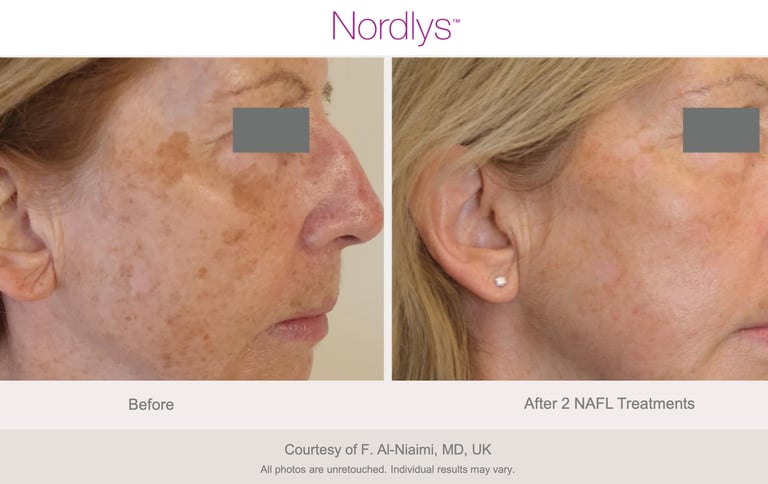
Hamilton pigmentation, also known as post-inflammatory hyperpigmentation (PIH), is a common skin condition resulting in darkened patches on the skin. It arises following inflammation or injury to the skin, such as acne, eczema, psoriasis, insect bites, or even minor cuts. The skin’s natural reaction to injury involves an overproduction of melanin, the pigment responsible for skin color. This excess melanin can lead to uneven skin tone, manifesting as spots that are darker than the surrounding skin. Understanding the underlying causes can help individuals approach treatment and prevention effectively.
Several factors contribute to the development of Hamilton pigmentation. Genetics play a role; some individuals are simply more prone to developing PIH than others. Skin type is also a significant determinant. Individuals with darker skin tones are generally more susceptible, although people of all skin complexities can experience it. Inflammation severity and duration are key; the more intense and prolonged the inflammatory response, the greater the likelihood of PIH. Furthermore, certain skincare practices, like harsh scrubbing or picking at the skin, can exacerbate the issue.
The appearance of Hamilton pigmentation can vary. It commonly presents as small, flat spots (acne spots) that are brown or darker than the surrounding skin. These spots can range in size from a few millimeters to a centimeter. In some cases, PIH can manifest as larger, more defined patches. The color can also shift over time, initially appearing reddish-brown and gradually darkening to a deeper brown or even black in individuals with darker skin. It’s important to note that these spots do not typically itch or cause discomfort, although they can be a source of cosmetic concern for many.
There are different classifications of Hamilton pigmentation based on their appearance and underlying causes. Acne-related PIH, often referred to as post-acne hyperpigmentation, is perhaps the most prevalent type. This typically appears after acne lesions have healed, leaving behind dark marks. Sun-induced hyperpigmentation, or solar lentigines, is another common form. These are usually small, flat, and develop on areas of the skin frequently exposed to sunlight, such as the face, hands, and chest. Melasma, characterized by larger, irregularly shaped patches of brown or gray-brown discoloration, can also be considered a type of Hamilton pigmentation, often linked to hormonal fluctuations during pregnancy or with the use of certain medications. Identifying the specific type of PIH is crucial for tailoring the most effective treatment approach.
Effective management of Hamilton pigmentation involves a multi-pronged approach. Topical treatments are often the first line of defense. Ingredients like retinoids (vitamin A derivatives), hydroquinone, azelaic acid, kojic acid, and vitamin C can help to lighten existing dark spots and prevent new ones from forming. These ingredients work by either inhibiting melanin production or promoting the shedding of pigmented skin cells. It's vital to use these products consistently and as directed by a dermatologist, as overuse can sometimes lead to further irritation. Sun protection is paramount. Using a broad-spectrum sunscreen with an SPF of 30 or higher daily is essential to prevent further darkening of existing spots and to prevent new pigmentation from developing. Protecting the skin from UV radiation is arguably the most important factor in both preventing and treating Hamilton pigmentation. In some cases, professional treatments like chemical peels, microdermabrasion, or laser therapy may be recommended for more stubborn cases.
Identifying Your Skin Type & Hamilton Pigmentation Concerns for Personalized Treatment
Understanding your skin type and the specific nature of your pigmentation concerns is the cornerstone of any effective Hamilton pigmentation treatment plan. A one-size-fits-all approach rarely yields optimal results, and can even lead to irritation or worsening of the condition. This section delves into the different skin types and common pigmentation issues addressed by Hamilton treatments, helping you and your practitioner tailor the therapy for the best possible outcome.
Decoding Your Skin Type
Identifying your skin type involves recognizing its inherent characteristics. While often categorized as normal, dry, oily, combination, or sensitive, understanding these categories provides a valuable starting point.
Normal Skin: Often considered the ideal, normal skin exhibits a balance of oil production. It’s generally smooth, with small pores and minimal imperfections. It isn't overly dry or oily and rarely experiences sensitivity.
Dry Skin: Dry skin lacks moisture and often feels tight, especially after cleansing. It can appear flaky or rough and may be prone to irritation. Factors like cold weather, low humidity, and harsh soaps can exacerbate dryness. Dehydration, which refers to a lack of water, also contributes to dry skin.
Oily Skin: Oily skin produces excess sebum, resulting in a shiny appearance, particularly in the T-zone (forehead, nose, and chin). It's often associated with enlarged pores and a tendency to develop acne. Genetics and hormonal fluctuations play a significant role in oily skin.
Combination Skin: This is the most common skin type, characterized by a mix of oily and dry areas. Typically, the T-zone is oily, while the cheeks are normal or dry. This duality requires a nuanced approach to skincare.
Sensitive Skin: Sensitive skin is easily irritated by external factors, such as fragrances, harsh chemicals, or certain fabrics. It can manifest as redness, itching, or a burning sensation regardless of the underlying skin type. This isn't a skin type in itself but a characteristic that can be present in any of the above categories.
Determining your skin type often involves observing how your skin reacts to various cleansers and products. Pay attention to how your skin feels after washing, and how it looks throughout the day.
Understanding Hamilton Pigmentation Concerns
Hamilton treatments are specifically designed to address a range of pigmentation issues. These concerns can vary significantly in appearance and underlying causes. Accurate identification is critical for selecting the most appropriate treatment protocols.
Sunspots (Solar Lentigines): These are flat, brown spots caused by sun exposure. They are more common in older adults and are a direct result of accumulated UV damage.
Freckles (Ephelides): Freckles are small, light brown spots that appear after sun exposure. They are generally considered harmless and are a natural variation in skin pigmentation. While aesthetically pleasing to some, they indicate sun sensitivity.
Melasma: Often referred to as "mask of pregnancy," melasma presents as patches of dark brown or grayish-brown discoloration, typically on the face. Hormonal fluctuations, particularly during pregnancy or with birth control pills, are a common trigger. Sun exposure can worsen melasma.
Post-Inflammatory Hyperpigmentation (PIH): PIH occurs after inflammation or injury to the skin, such as acne, eczema, or injuries. The skin produces excess melanin in response to the inflammation, leading to dark spots that can persist long after the initial issue has healed.
Uneven Skin Tone: This is a broad term encompassing any areas of the skin that have different pigmentation than surrounding areas. It can include a combination of the above conditions, or more subtle variations.
The Connection: Skin Type & Pigmentation Treatment
Your skin type influences how it responds to pigmentation treatments. For instance:
Oily skin may benefit from treatments that also control oil production to prevent future breakouts and further pigmentation. Ingredients like salicylic acid or certain chemical peels might be incorporated.
Dry skin requires a gentler approach. Hydrating serums and moisturizers are crucial before, during, and after treatment to minimize irritation and support healing.
Sensitive skin necessitates extra caution. Lower concentrations of active ingredients and longer recovery periods may be recommended. Patch testing is essential to ensure tolerance.
Furthermore, the type of pigmentation also influences treatment choices. Deeply ingrained melasma may require a more intensive and prolonged treatment regimen than superficial sunspots.
It's important to remember that a comprehensive assessment by a qualified skincare professional is crucial. They will evaluate your skin type, pigmentation concerns, and medical history to develop a personalized treatment plan that delivers effective results while minimizing potential side effects.
A Step-by-Step Guide to the Hamilton Pigmentation Treatment Process
The Hamilton Pigmentation Treatment is a comprehensive approach to addressing uneven skin tone, hyperpigmentation, and dark spots. This guide outlines the typical steps involved. It’s important to note that individual treatment plans may vary depending on the patient's specific needs and skin type. A consultation with a qualified professional is always the first and most crucial step.
Step 1: Initial Consultation and Skin Assessment
The process begins with a thorough consultation. During this appointment, a dermatologist or licensed aesthetician will discuss the patient's concerns, medical history, and desired outcomes. A detailed skin assessment follows. This involves examining the skin's texture, tone, and identifying areas of hyperpigmentation. The professional will categorize the type of pigmentation to determine the most effective treatment modalities. Understanding the underlying cause of the pigment irregularities is key to a successful outcome. This might involve assessing sun damage, hormonal influences, or post-inflammatory hyperpigmentation.
Step 2: Pre-Treatment Skin Preparation
Prior to the treatment sessions, specific skincare recommendations are usually provided. This may include avoiding certain ingredients like retinoids or strong exfoliants for a period. Gentle cleansing and moisturizing are typically encouraged. A professional-strength cleanser might be recommended to prepare the skin for optimal treatment absorption. Sunscreen application is paramount, as any pigmentation treatment can make the skin more sensitive to the sun. Consistent use of a broad-spectrum sunscreen with an SPF of 30 or higher is non-negotiable during and after the treatment course.
Step 3: The Hamilton Treatment Sessions – Layered Approach
The core of the Hamilton Pigmentation Treatment involves a series of sessions, typically spaced 4-6 weeks apart. Each session may incorporate several different modalities, often tailored to the individual's skin. Common components include:
Microdermabrasion: This physical exfoliation technique uses a device to gently remove the outermost layer of skin, revealing brighter skin underneath. It's effective for mild hyperpigmentation and improving skin texture.
Laser Treatments: Various types of lasers (e.g., Q-switched lasers, fractional lasers) target the pigment directly, breaking it down into smaller particles that the body can eliminate. The choice of laser depends on the type and depth of the pigmentation.
The specific combination of treatments will be decided by the practitioner based on the individual's skin condition and the type of pigmentation.
Step 4: Post-Treatment Care
Following each session, meticulous post-treatment care is vital. This typically involves:
Sun Protection: Strict adherence to sunscreen use (SPF 30 or higher, broad-spectrum) is essential.
Gentle Cleansing: Using a mild, non-irritating cleanser.
Moisturization: Applying a hydrating moisturizer to soothe and protect the skin.
Avoiding Irritants: Refraining from harsh scrubs, exfoliants, and potentially irritating skincare products.
Hydration: Increased water intake supports skin recovery and overall health.
Step 5: Follow-up Appointments
Regular follow-up appointments with the practitioner are scheduled to monitor progress and adjust the treatment plan as needed. These appointments allow for assessment of healing, identification of any potential side effects, and optimization of the treatment regimen. The total number of sessions required varies depending on the individual's response to treatment and the severity of their pigmentation concerns. Patients should be aware that achieving optimal results often requires patience and consistency with the recommended skincare routine.